Sacro-Occpital Technique (SOT®)
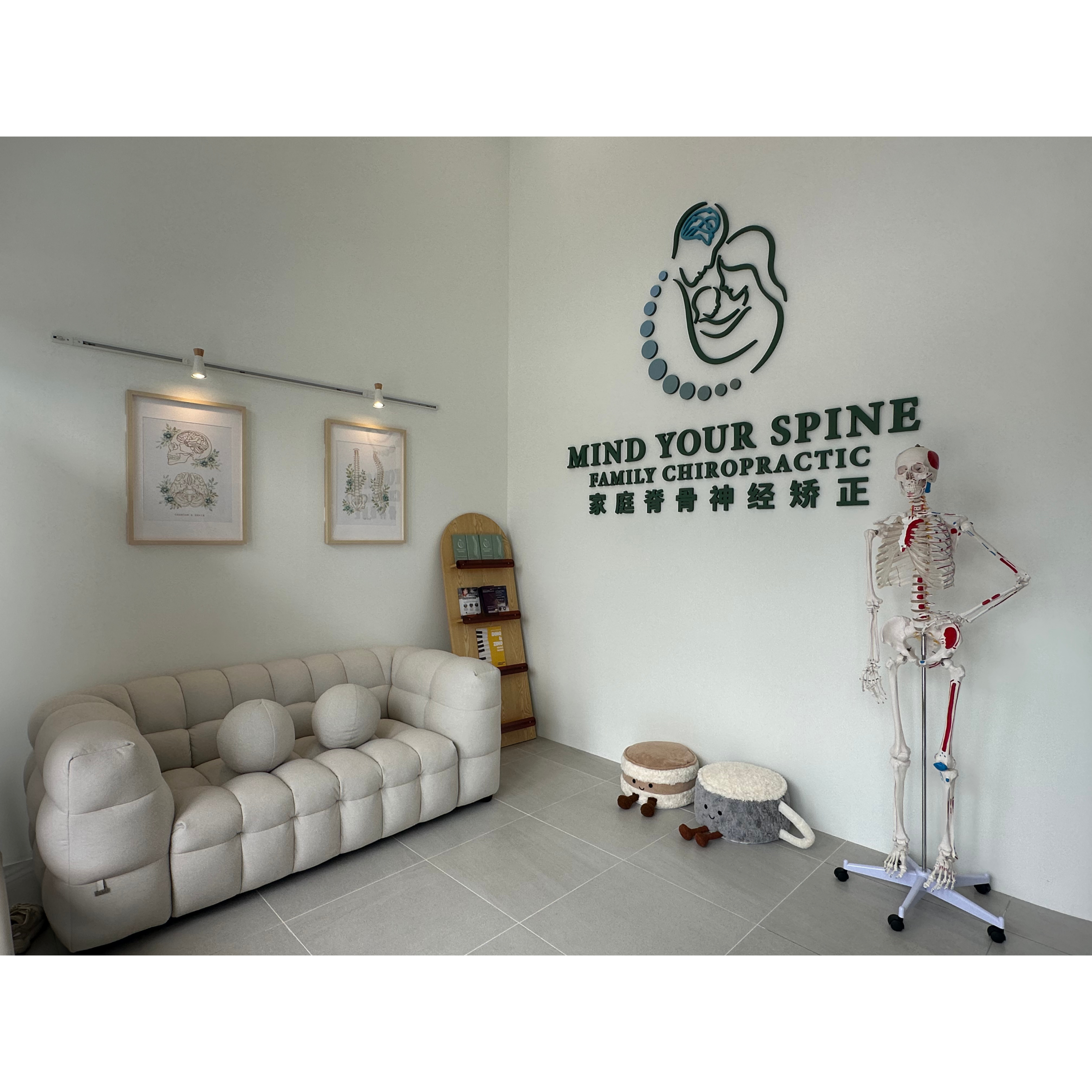
We are proud to be the first chiropractors in Malaysia to be certified in Sacro-Occipital Technique, by the SOT Organisation Europe!
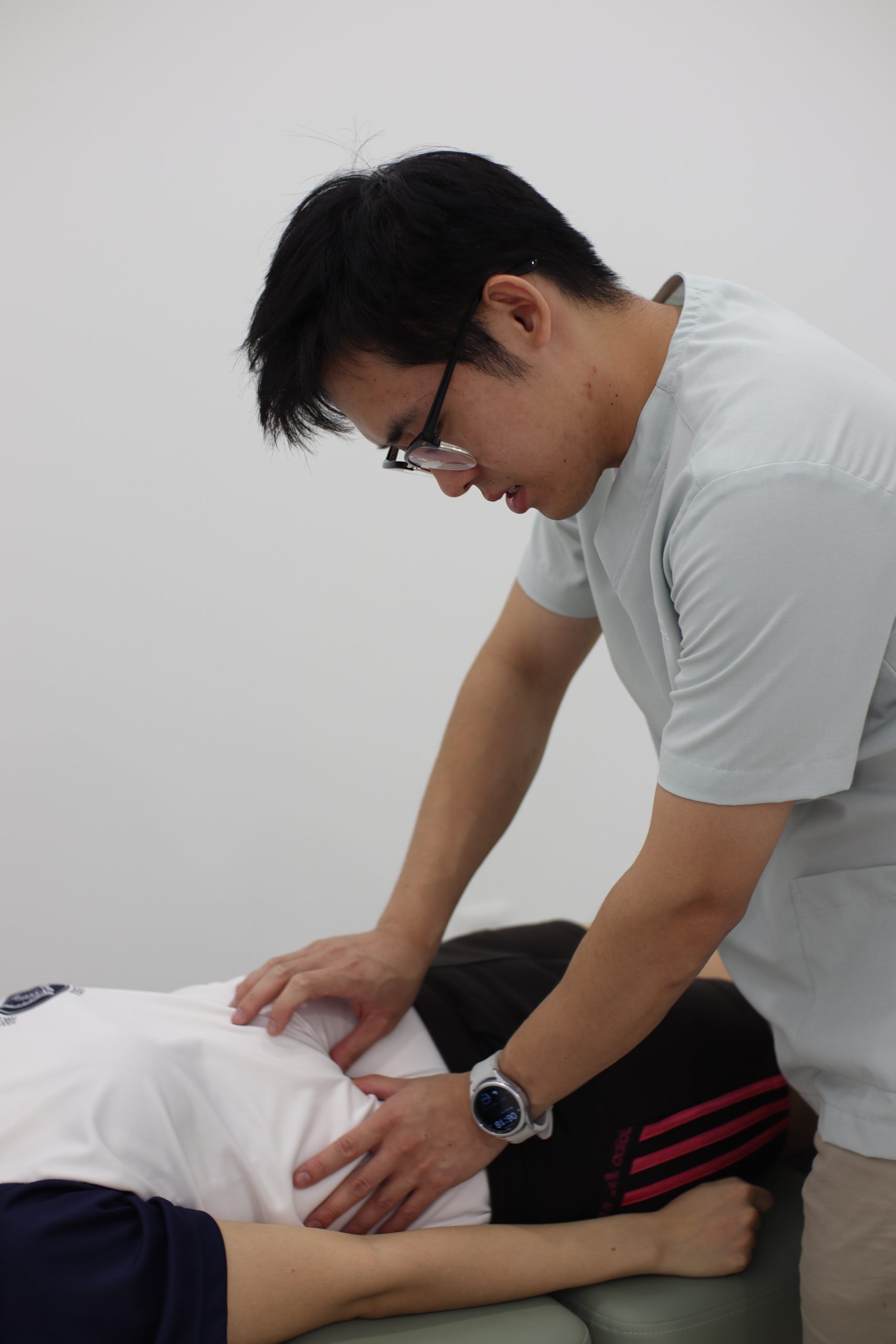
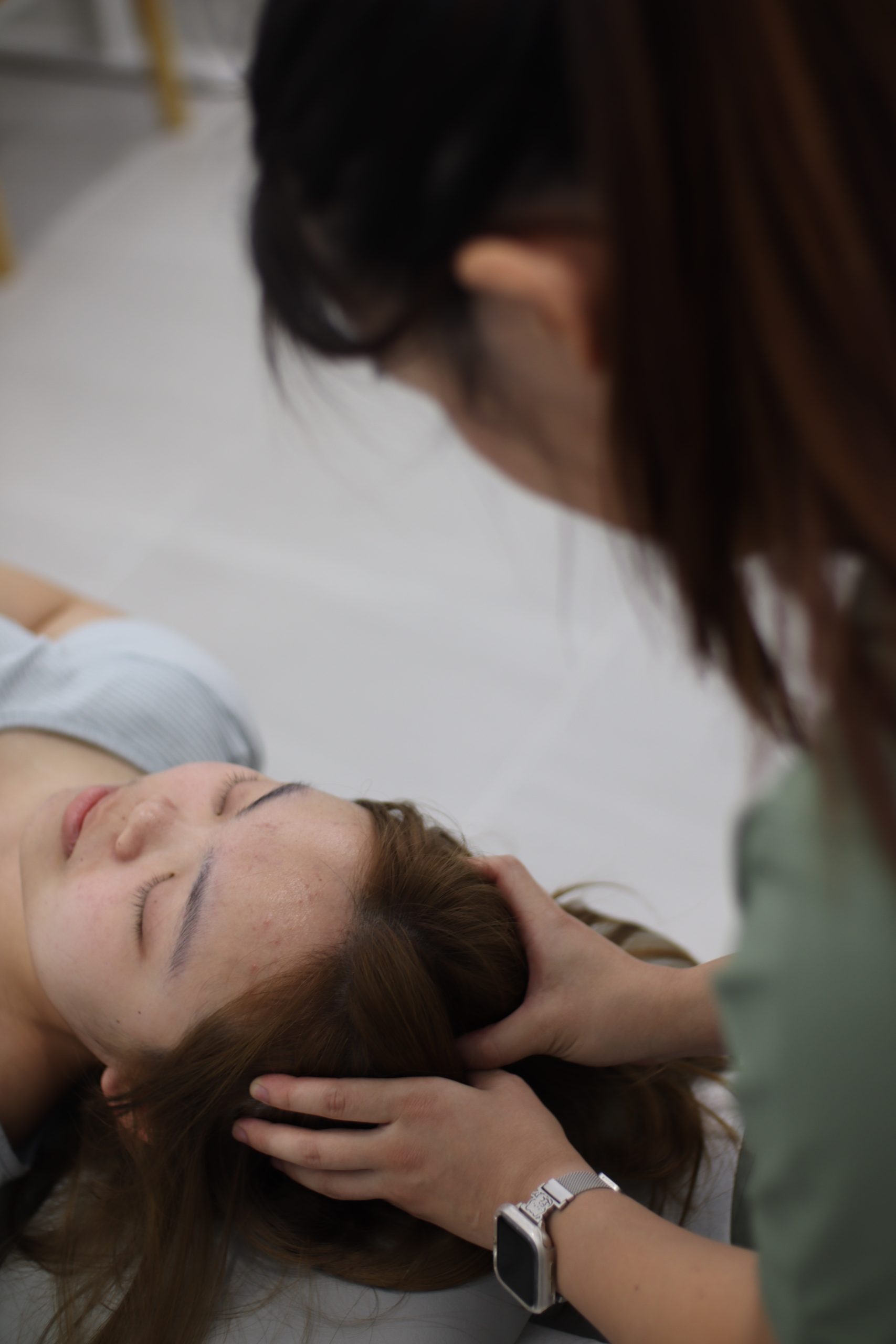
Sacro-Occipital Technique (SOT®) is a specialized chiropractic approach that focuses on the relationship between the sacrum (base of the spine) and the occiput (base of the skull), helping to support the natural flow of cerebrospinal fluid (CSF). This fluid plays a vital role in nourishing and protecting the brain and spinal cord, while also influencing the balance between the cranial, spinal, and visceral (organ) systems.
By addressing these interconnected systems, SOT® aims to optimize nervous system function, improve communication within the body, and restore overall balance.
Through gentle, precise adjustments and supportive techniques, SOT® may help with a variety of conditions, including:
- Spinal pain (pelvis, back, neck pain)
- Headaches and migraines
- Postural imbalances
- Extremity pain including jaw (TMJ), knees, wrists
- Digestive concerns
- Stress-related tension
- Sleep disturbances
Pregnancy & Postpartum Care
During pregnancy, a mother’s body produces the hormone relaxin, which helps relax the ligaments and muscles in preparation for delivery. The body also changes physically as the belly grows, shifting the centre of gravity. This can place extra stress on the spine and pelvis, which may lead not only to pain and discomfort during pregnancy but can also affect the quality of labour.
As a result, many mothers experience issues such as:
- Low back pain, including sciatica
- Pelvic girdle pain (PGP)
- Symphysis pubis dysfunction (SPD) / groin pain
- Acid reflux
- Morning sickness
- Rib / Upper Belly pain
- Round Ligament Pain
- Neck and shoulder discomfort
- Hip Pain
- Breech Baby
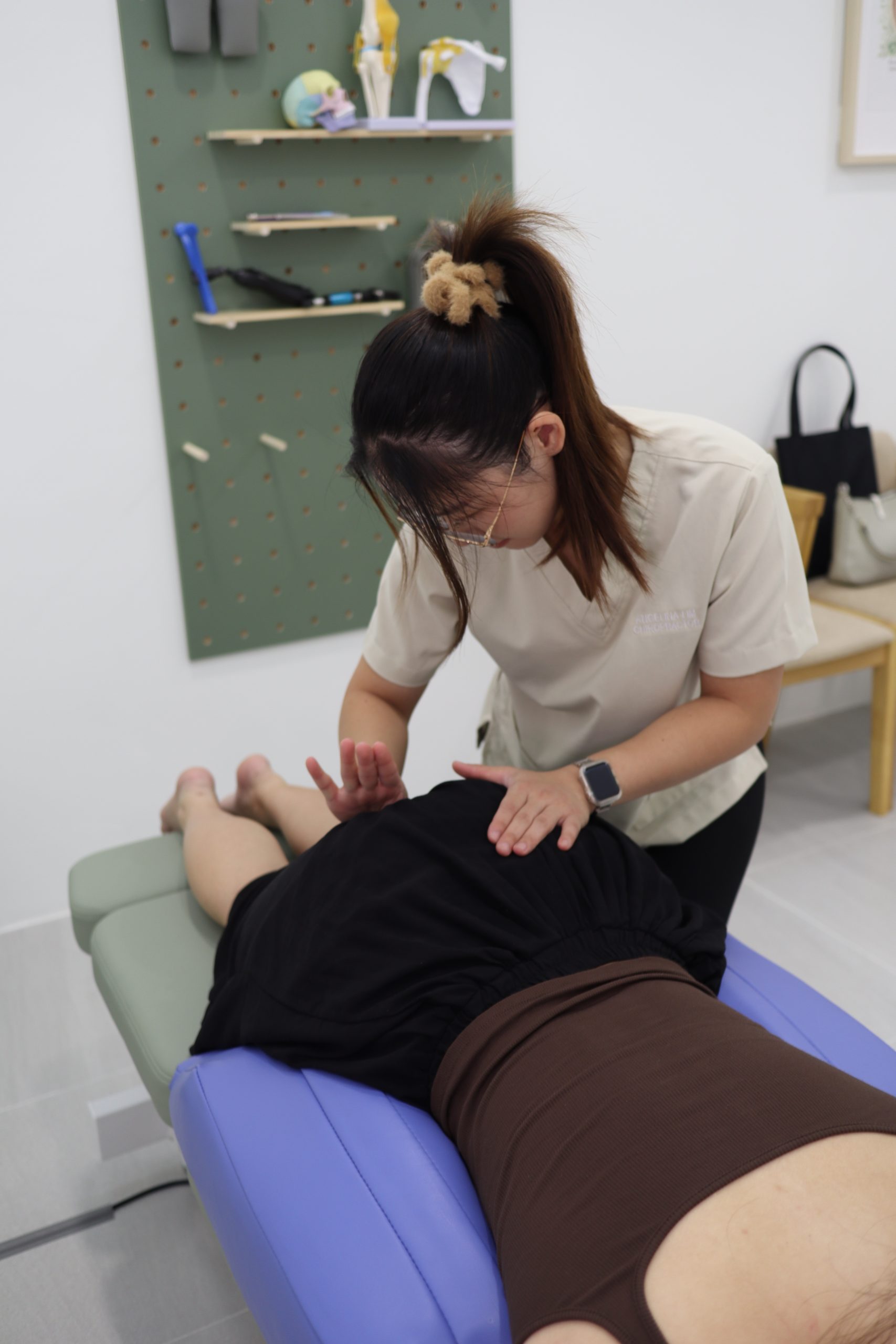

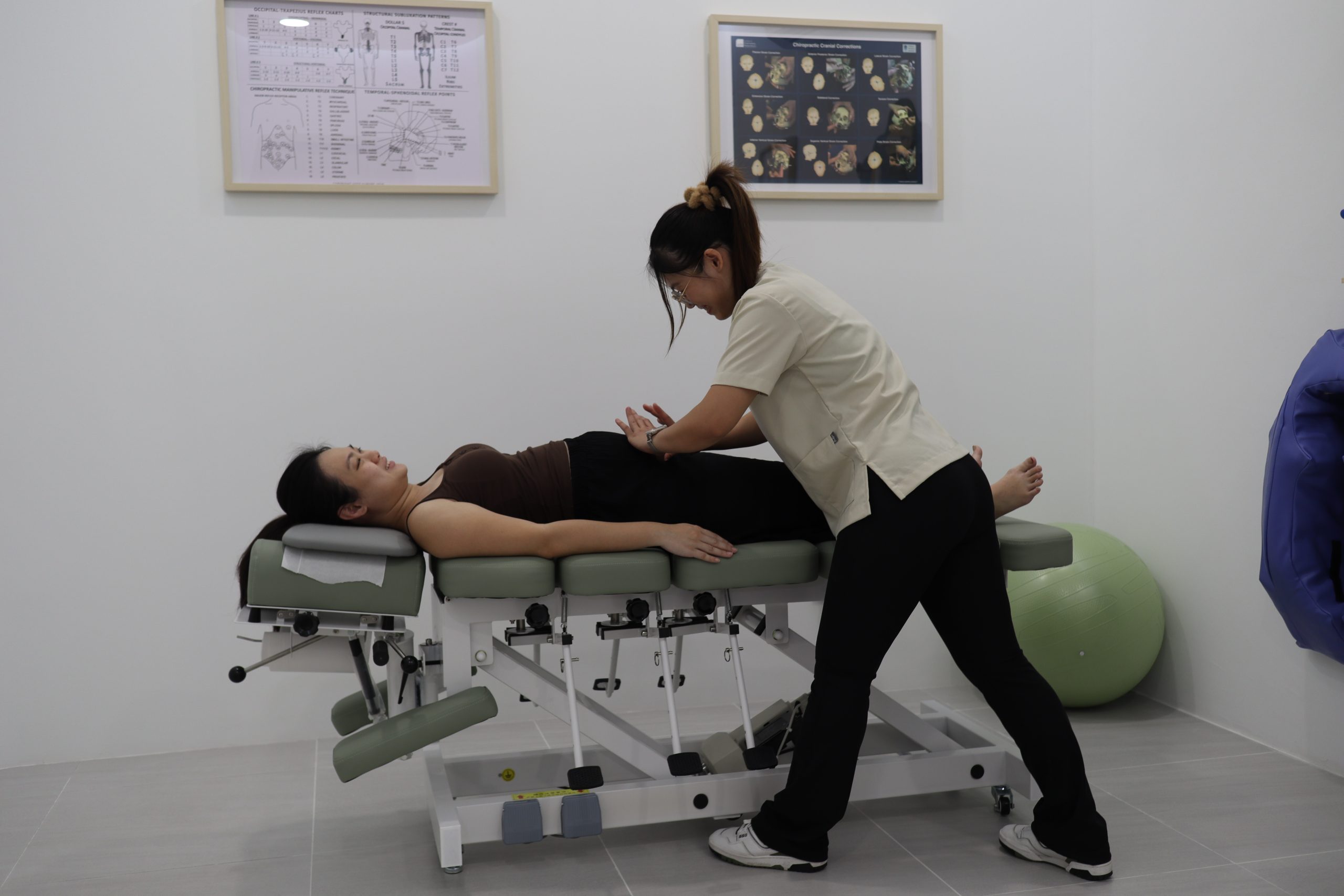
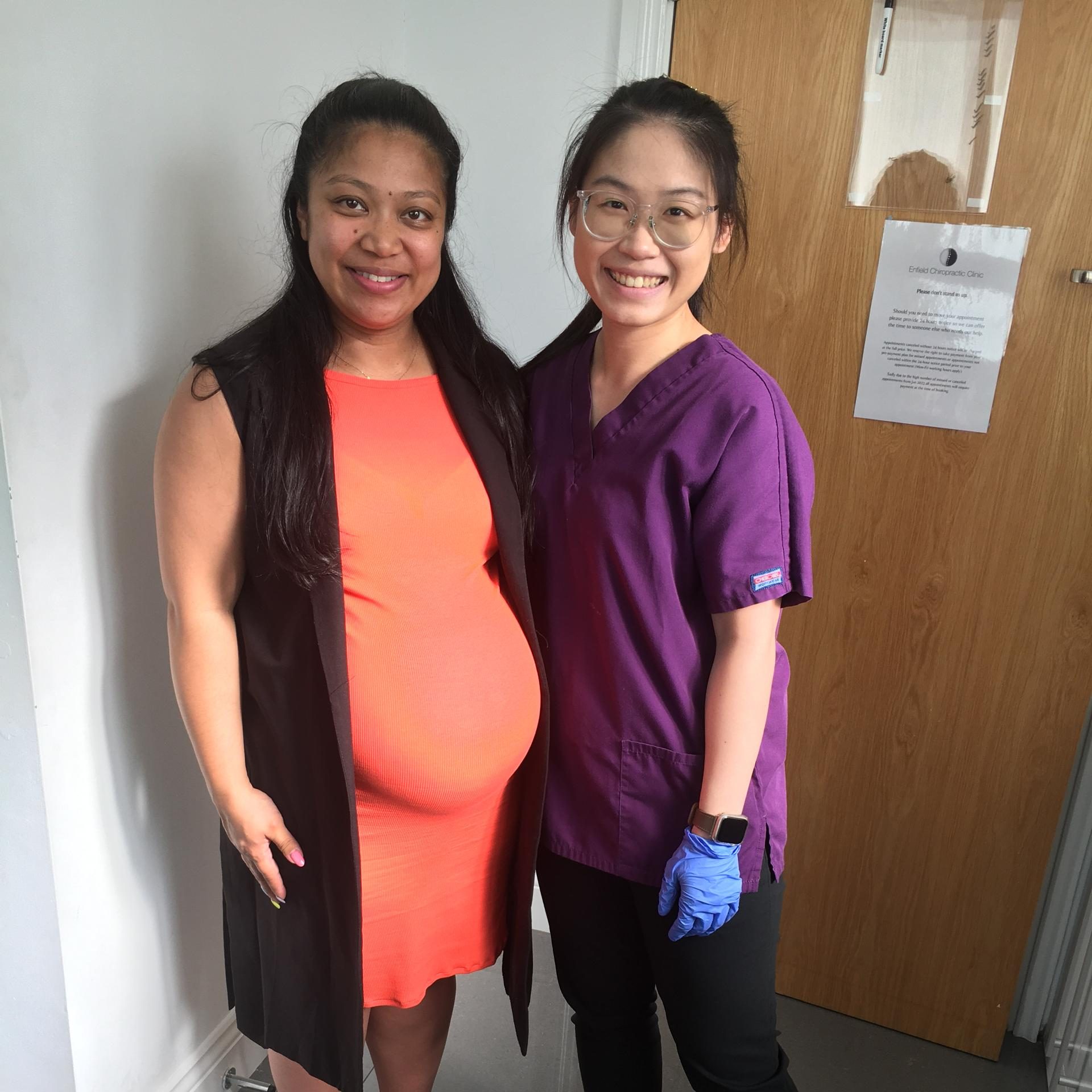
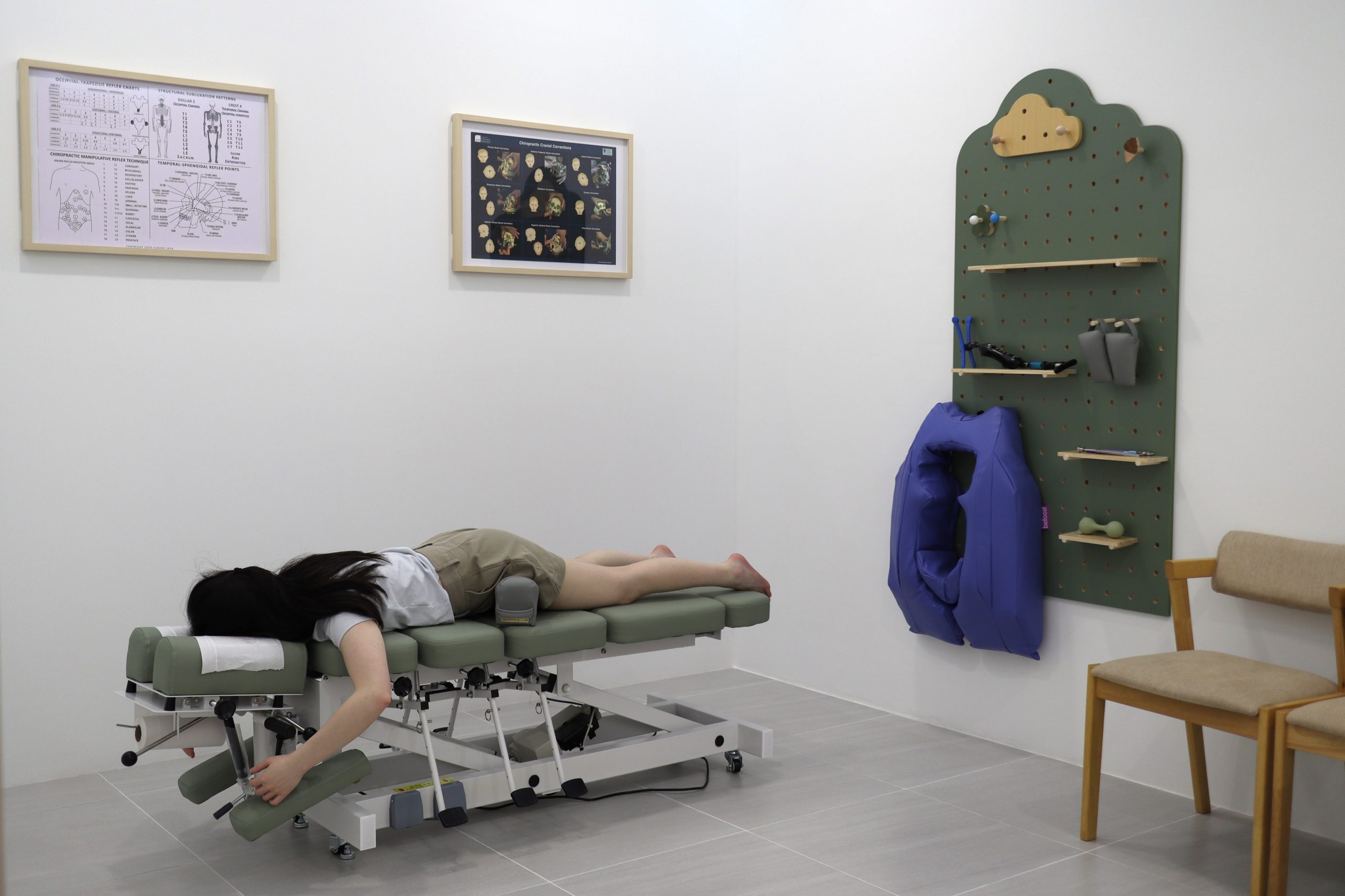
Chiropractic care provides a safe solution for mothers. Our chiropractors combine the Webster Technique and SOT® to create a better experience for expectant mothers. Both techniques are gentle and safe for mothers in all trimesters, including postpartum.
What is Webster Technique?
The Webster Technique is a specific chiropractic method used mainly during pregnancy to help balance the pelvis and reduce tension in the muscles and ligaments surrounding the uterus.
Paediatric Care
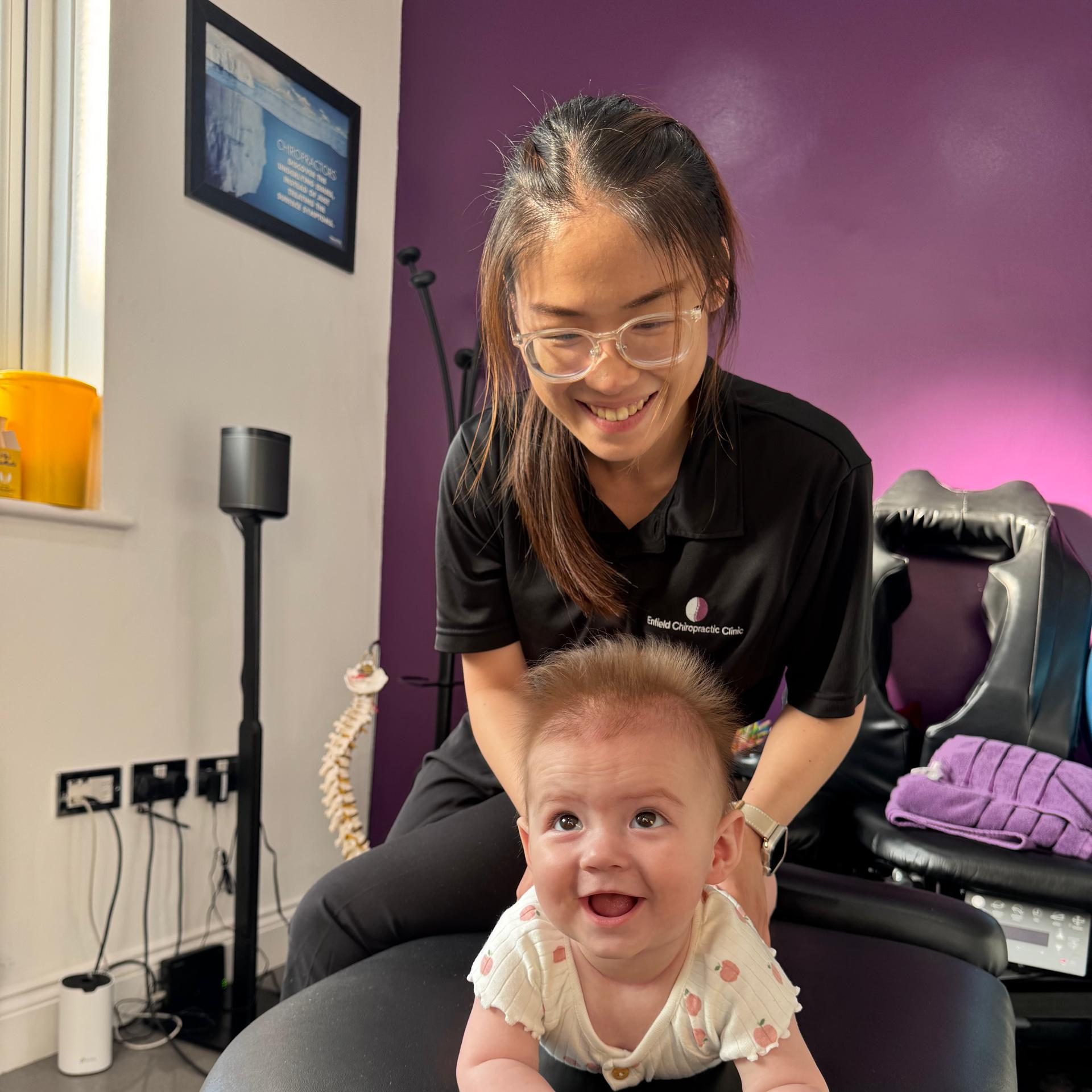
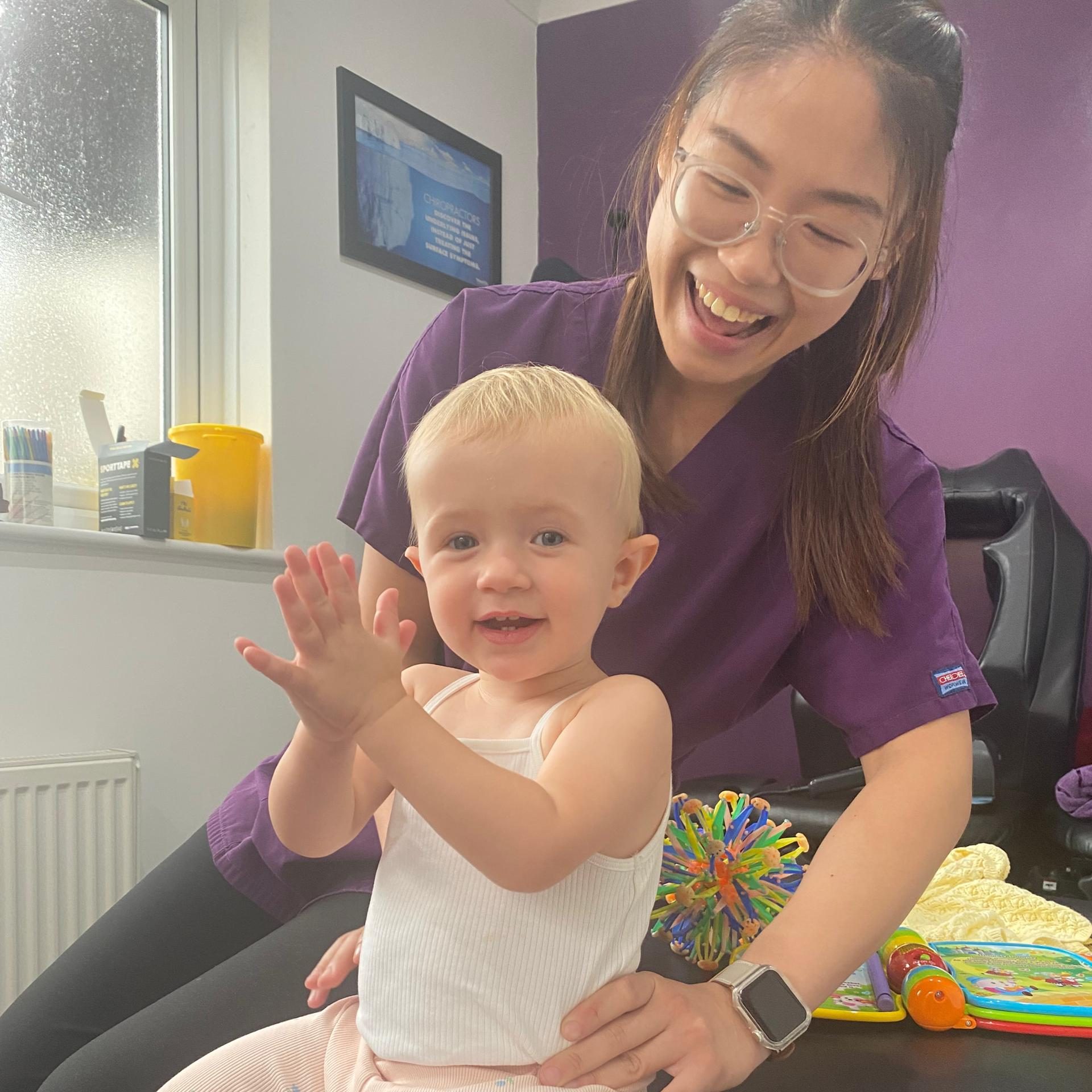
Babies experience significant physical forces during birth as they pass through the birth canal. Even with a natural delivery, a baby’s spine and neck can undergo twisting, pulling, tight spaces, and strong pressure. This is especially true in cases of long or difficult labour, forceps or vacuum-assisted delivery, caesarean section (C-section), or breech presentation. These factors can create tension in the cranial bones, neck, and spine, which may affect comfort, movement, and, most importantly, the development and function of the nervous system and brain.
At birth, a baby’s cranial bones overlap and the brain is still developing. The brain grows rapidly and continues to mature throughout the first six years of life, especially during the first year. Therefore, reaching developmental milestones on time is very important, as milestones reflect healthy brain development and ensure that the baby’s brain and body are growing and working together properly.
Milestones such as lifting the head, rolling, sitting, crawling, standing, speaking, and walking are controlled by the brain and require coordination between the skeletal, muscular, and nervous systems. If there are delays in certain milestones, this may affect a child’s coordination (such as frequent tripping), concentration, and behaviour later in life.
Paediatric chiropractic uses very gentle adjustments, mainly light fingertip pressure (similar to the pressure used to test the firmness of an eyeball). Care focuses on supporting healthy cranial shaping, improving nervous system function, and assessing primitive reflexes to aid brain development. Chiropractic care serves as supportive healthcare for children, helping to improve movement and coordination, posture, and nervous system balance, allowing them to grow and develop more optimally.
Common issues parents seek help for:
- Delayed developmental milestones
- Difficulty latching or breastfeeding
- Colic or excessive crying
- Reflux or digestive discomfort
- Torticollis (head tilt)
- Flat head syndrome (plagiocephaly)
- Poor sleep
- Preference to turn the head to one side